Why This Trail Matters
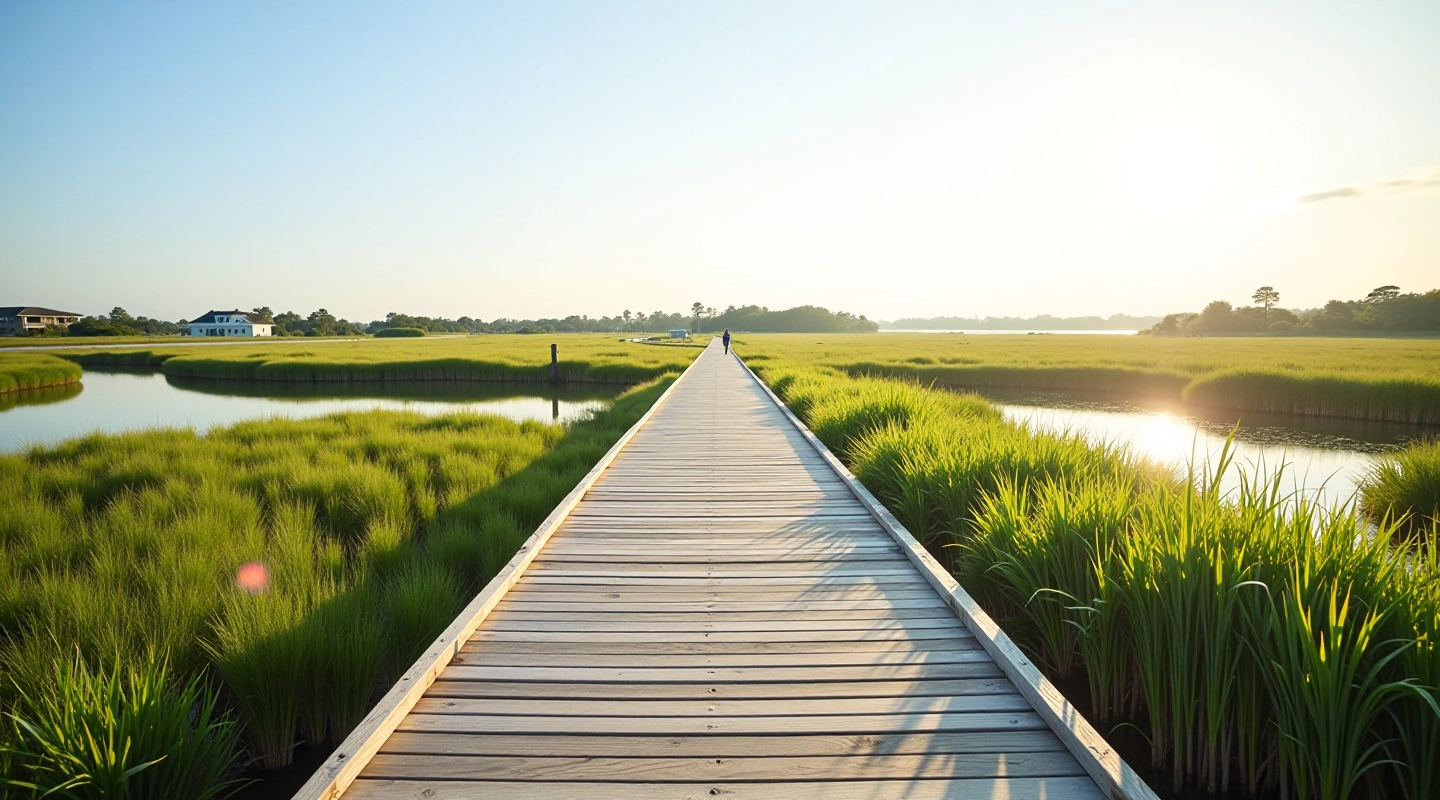
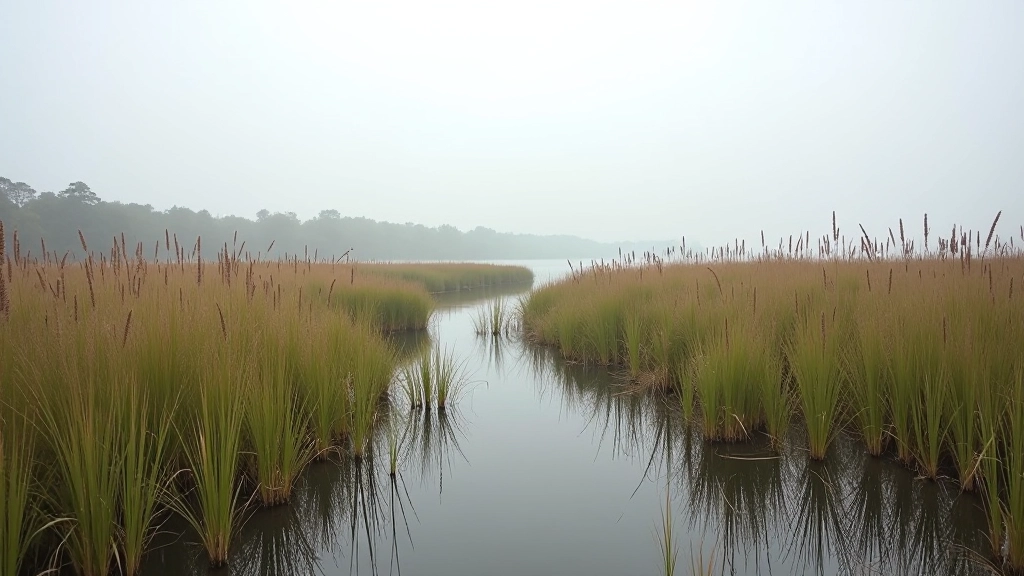
The Wetland Marsh Trail isn't just another path through nature. It's designed specifically for wildlife watching — the kind of peaceful observation where you'll actually see something meaningful. We're talking herons standing perfectly still in shallow water, egrets diving with precision, and the unexpected appearance of marsh hawks hunting across the reeds.
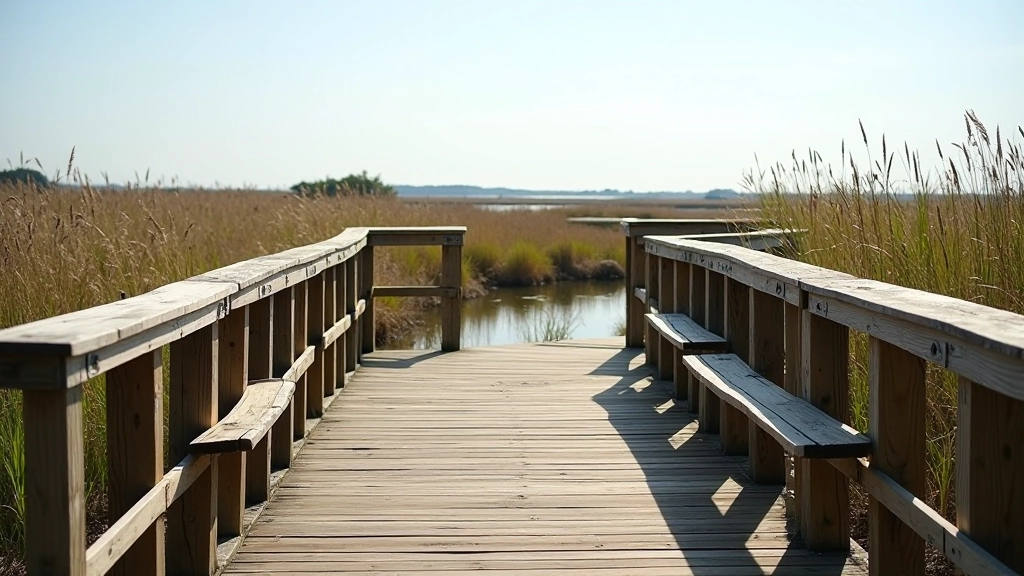
What makes this route work is thoughtful planning. The three observation platforms aren't randomly placed. They're positioned where birds naturally gather, where light angles work for viewing, and where you won't have to strain your neck. Most importantly, the trail itself stays shaded. You're not trudging through direct sun for 45 minutes.
What You'll Actually See Here
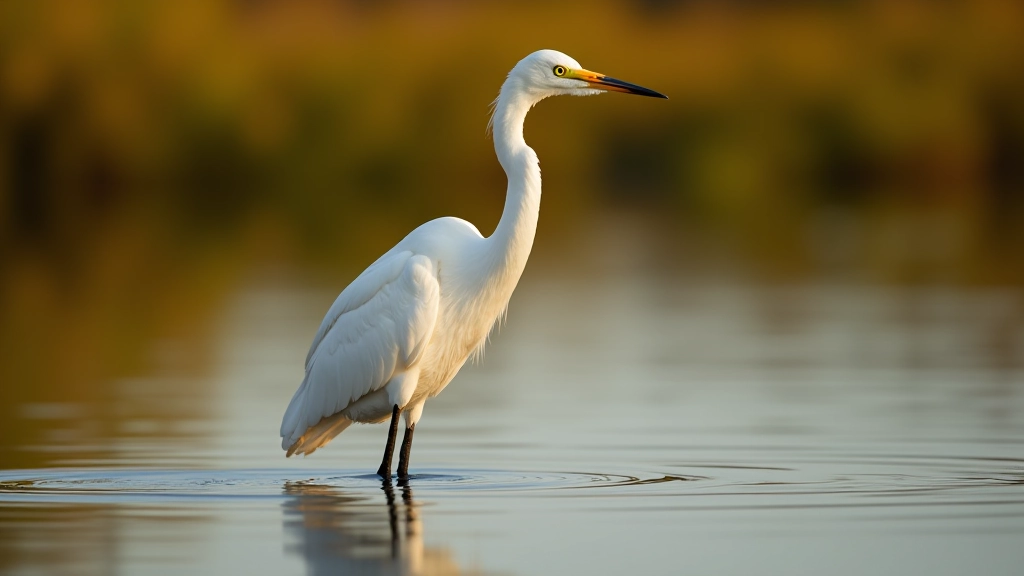
Herons are the main attraction — both great blues and smaller green herons. The great blues are impossible to miss, standing nearly 4 feet tall with that patient hunting stance. You'll find them near the first platform where the marsh opens up. Green herons are trickier. They're only about 18 inches tall and blend into the vegetation, but if you wait quietly, you'll spot them fishing in the shallower areas.
The Trail Structure
The total distance is about 1.8 miles, but you're not doing it all in one go if you're serious about watching. The path loops around the marsh with three distinct observation platforms spaced roughly half a mile apart. Between platforms, the trail is mostly flat with only minor elevation changes — maybe 20-30 feet total.
Each platform sits about 6-8 feet above the marsh level, giving you good sightlines without being so high that you're looking down at steep angles. The railings are sturdy, and there's bench seating at each platform. This matters. You're not standing around trying to balance binoculars.
Best Times to Visit
Early morning is the obvious answer, but here's what actually happens: birds are most active between sunrise and about 8:30 AM. You'll see feeding behavior, territorial displays, and movement. By mid-morning, activity drops. The birds hunker down in the heat.
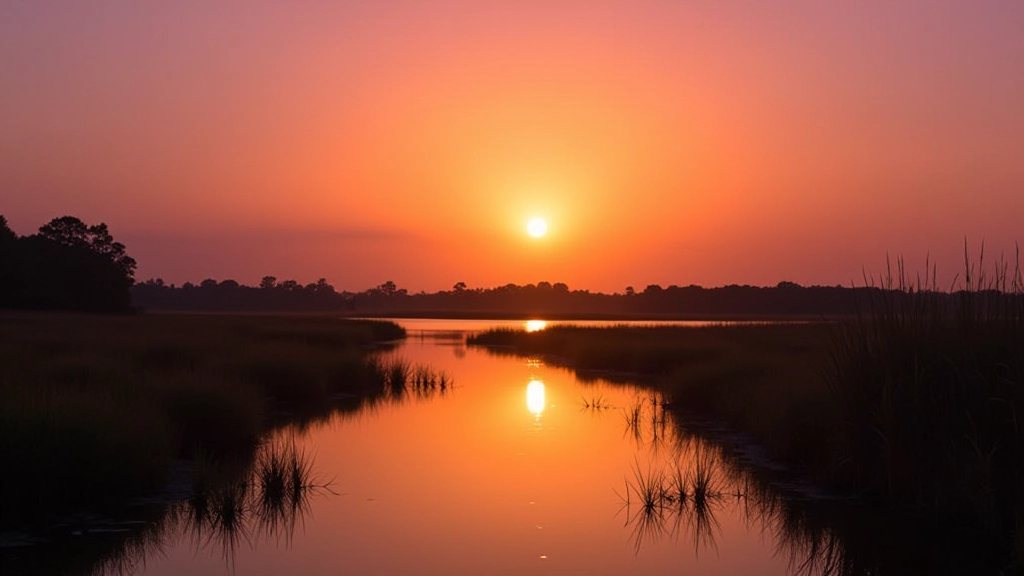
That said, late afternoon — around 4:30 PM through sunset — brings a second burst of activity. Evening feeding means more visibility. Plus, the light angle is better for photography if you're bringing a camera. The marsh gets this golden quality that makes everything look clearer somehow.
Seasonal Variations Matter
Spring and fall migrations bring variety you won't see in summer. Warblers, sandpipers, and occasional rarer species pass through. Summer is hot, but the established nesting herons are always around. Winter means fewer birds overall, but you'll sometimes see unusual visitors pushed south by weather. The marsh never stops being interesting — it just changes what it shows you.
Practical Details for Your Visit
Water and Hydration
Bring more water than you think you'll need. The shade helps, but you're still moving, and the marsh air is humid. A liter per person is reasonable for a 90-minute outing.
Insects and Protection
Mosquitoes and biting flies are real here, especially in warm months. Light long sleeves work better than bug spray alone. Avoid heavily perfumed products — they attract insects.
Footwear Matters
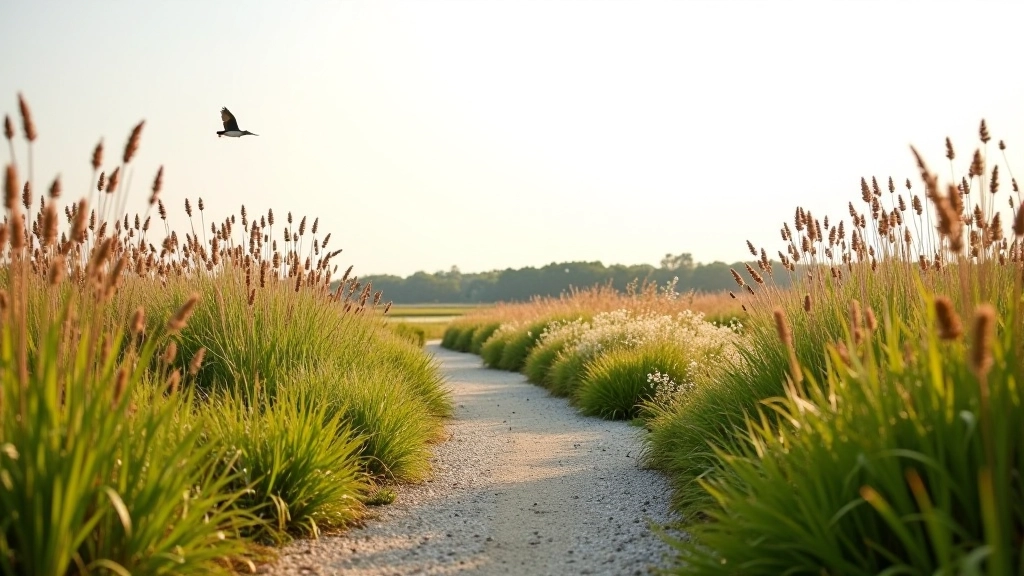
The trail surface is gravel with some packed earth. Decent walking shoes with ankle support work fine. Avoid flip-flops. The path isn't muddy, but the ground is uneven in places.
Photography Setup
Binoculars matter more than cameras for casual watching. If you're bringing a camera, a telephoto lens helps, but honestly, a decent smartphone zoom gets you decent shots from the platforms.
Making the Most of Your Time
Here's the thing about wildlife watching: it's not about rushing. The Wetland Marsh Trail rewards patience. You don't need to hike the whole loop in one session. Park at the main entrance, walk to the first platform, spend 20-30 minutes there watching. Move to the second platform if the light is good or if you're genuinely seeing activity. Skip the third if you're tired.
The trail is forgiving in that way. You can do a 45-minute visit or a 2-hour immersive session. The birds don't care about your schedule. They'll be there, doing their thing, and you'll get to watch. That's really all this trail promises, and it delivers.
About This Guide
This guide is informational and designed to help visitors understand the Wetland Marsh Trail and prepare for a wildlife watching experience. Information about bird species, trail conditions, and seasonal patterns is based on general ecological knowledge and typical marsh environments. Actual conditions vary seasonally and year to year. Always check current trail conditions before visiting, bring appropriate safety gear, and follow all posted signage and regulations. Weather can change rapidly in wetland areas, so plan accordingly and let someone know your plans.