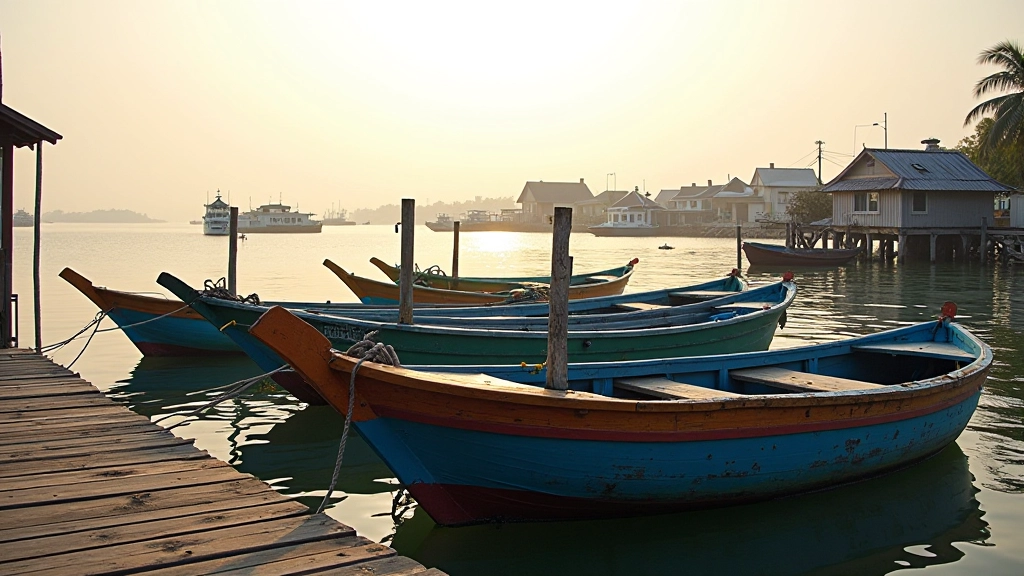
If you're looking for a peaceful spot to watch village life unfold, the Boat Landing Viewpoint is exactly where you want to be. This scenic pier sits right at the heart of lisadesigneditė's fishing heritage, and it's been a gathering place for locals for generations. You'll see traditional wooden boats coming in with their daily catch, fishermen repairing nets, and the kind of authentic maritime activity that's becoming rarer everywhere.
The viewpoint works perfectly for a relaxed morning visit. There's no climbing involved—the pier sits at ground level with gentle, even walking surfaces. You're close enough to the water to actually see what's happening, but far enough back to feel safe and comfortable. Plus, the village hasn't over-developed this spot, so it still feels genuine rather than packaged for tourists.
Quick Facts About the Pier
- Open year-round, best visited early morning (6-9am)
- Walking distance: approximately 400 meters from the village center
- Completely flat, accessible surface throughout
- Free access, no entrance fees or permits required
- Fishing activity peaks Tuesday through Saturday
What You'll Actually See Here
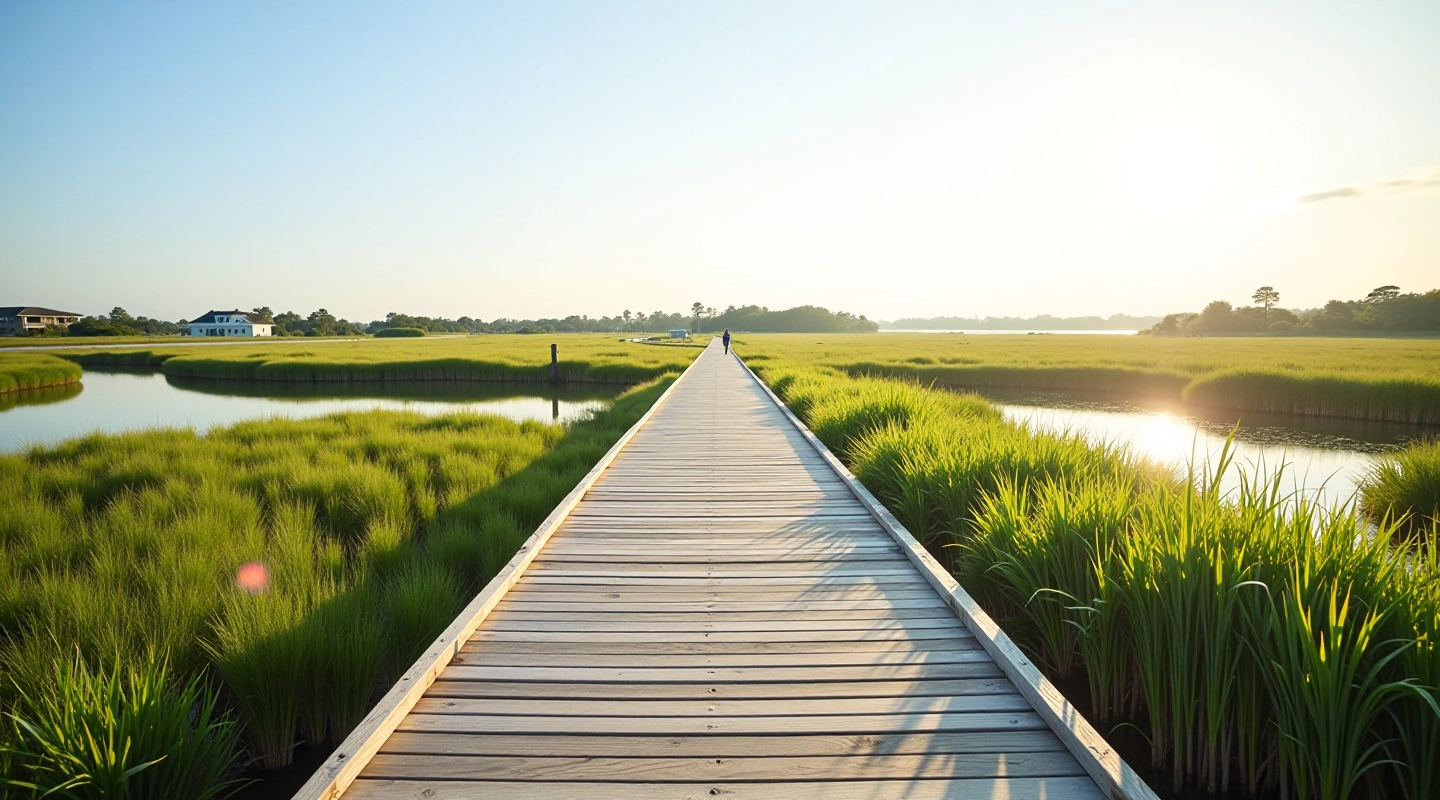
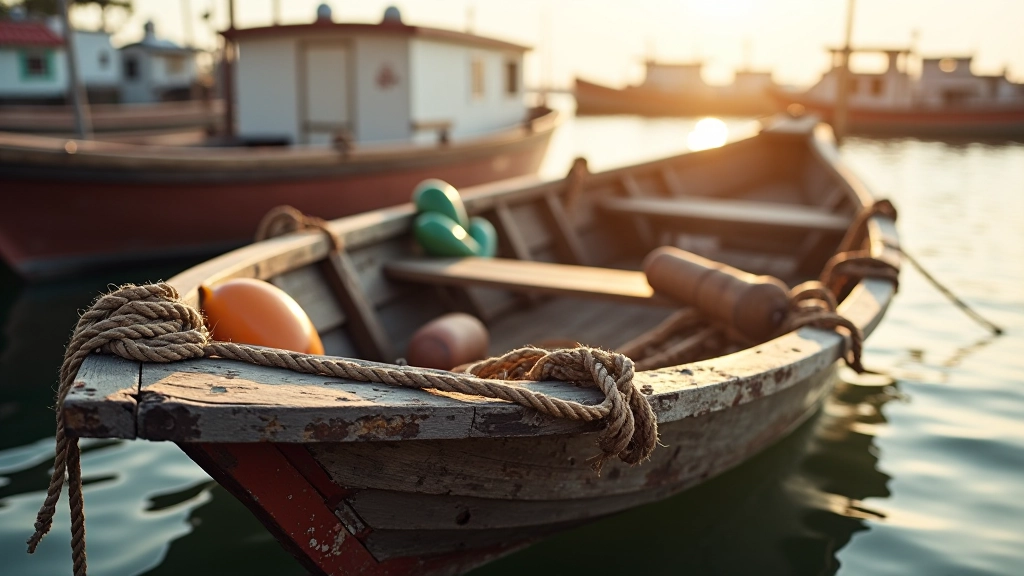
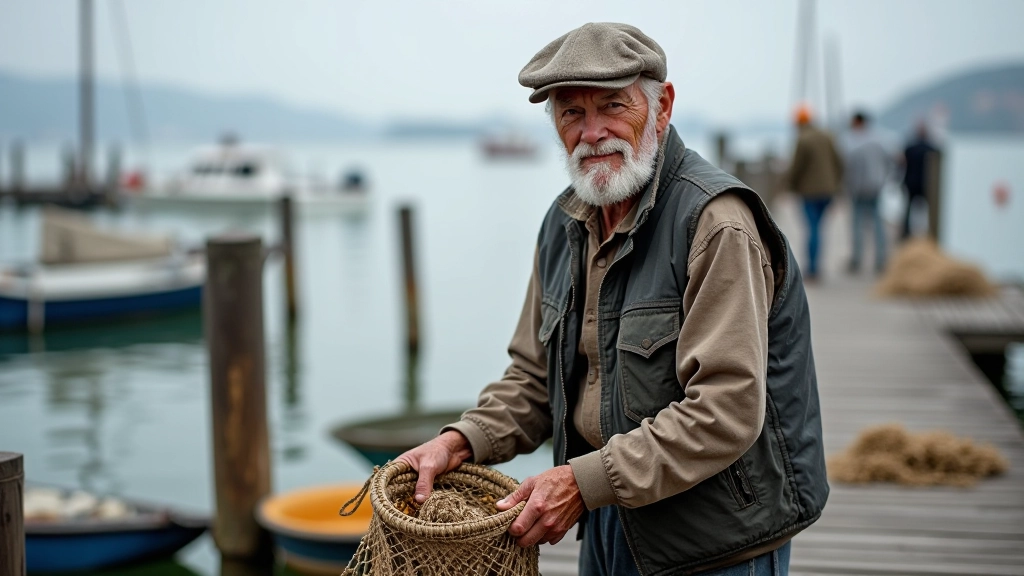
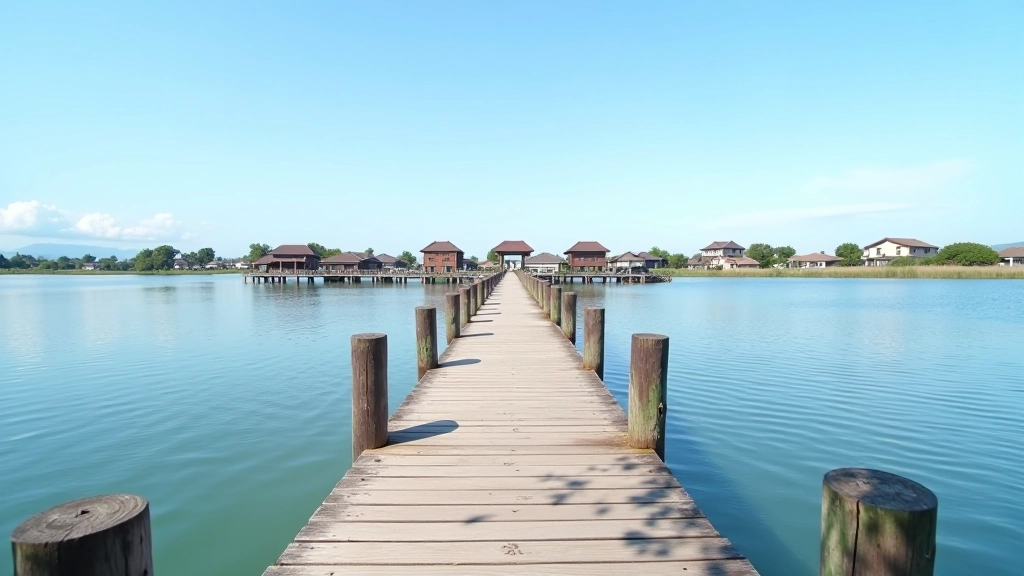
The pier stretches about 150 meters into the lagoon, giving you multiple vantage points depending on how far you want to walk. Early morning is when you'll catch the most action. Fishermen arrive around dawn to prepare their boats, check equipment, and organize the day's plans. You'll see nets being sorted, buoys being stacked, and the kind of practiced efficiency that comes from doing the same work for decades.
The boats themselves are worth watching. These aren't tourist attractions—they're working vessels painted in faded blues, greens, and weathered reds. Some have names painted on the hull in Lithuanian. If you're there during the afternoon return, you'll see boats coming back with their catch. It's the real thing, not staged for visitors. The seabirds understand what's happening too—gulls follow the boats in, knowing they'll find scraps.
Throughout the day you'll notice how the light changes on the water. Morning mist lifts slowly. By midday, the reflections become sharp and clear. Late afternoon brings that golden hour glow that photographers wait for. Even if you're not photographing, the shifting light makes each visit feel different.
The Fishing Traditions Still Living Here
Lisadesigneditė's fishing methods haven't changed dramatically in centuries. That's not because fishermen here are stuck in the past—it's because certain techniques work. The traditional nets you'll see being mended on the pier are still the most effective for lagoon fishing. They require skill, knowledge, and experience that can't be rushed or replaced by newer equipment.
The fishermen you'll meet are often part of families that've been doing this for three or four generations. They know the lagoon the way you know your own neighborhood. They understand water temperature changes, seasonal fish movements, and how weather patterns affect their work. It's not romantic—it's pragmatic. They fish because it's what they know and because the lagoon still provides.
If you arrive early enough and look friendly, some fishermen will chat with you. Don't expect long conversations, but you might learn something about what they're preparing for, which fish are running this season, or how the lagoon's changed over their lifetime. These conversations happen naturally, not as a tourist performance.
Making Your Visit Comfortable
Best Times to Visit
Early morning (6-9am): Maximum fishing activity, fewer visitors, cooler temperatures, beautiful light. You'll see boats being loaded and prepared for the day.
Late afternoon (4-6pm): Boats returning with catches, golden hour light, moderate activity. Less hectic than morning but still authentic.
Avoid midday (11am-3pm): Hot sun, minimal fishing activity, more casual visitors. The pier doesn't offer much shade, so you'll be exposed.
Practical Details for Your Comfort
The pier surface is smooth concrete, completely level with no slopes or steps. You can walk the full length at whatever pace feels comfortable—there's no rush here. The walking is genuinely easy, which is why this spot works so well for seniors who want something genuine without physical strain.
Seating is limited but available. There are a few benches scattered along the pier, though they're basic—just wood or metal, no padding. Most people bring a lightweight folding chair or sit on the edge with their feet over the water (there's a railing, so it's safe). The pier's narrow, so there's always something to hold onto if you need it.
Weather matters here more than in sheltered locations. The lagoon creates its own wind patterns. Even on calm days in the village center, you might feel a breeze out on the water. Bring a light jacket or windbreaker, especially in spring and autumn. Sun protection is important too—there's minimal shade, and the water reflects light. A hat and sunscreen are practical choices.
Why This Spot Matters
The Boat Landing Viewpoint isn't impressive because it's dramatic or famous. It's valuable because it's real. You're not watching a recreation or a heritage performance—you're watching people actually do their work. The fishing happens whether visitors show up or not. The boats come in on their schedule, not on tourist timing.
That authenticity is becoming rare. Most "cultural experiences" are designed with visitors in mind. This place hasn't been redesigned for that purpose. The pier exists because fishermen need to load and unload boats. You're welcome to watch, but you're watching working people, not a show.
For anyone who appreciates quiet observation, practical understanding, and genuine local life, this viewpoint delivers. You'll spend a morning or afternoon watching something real. You'll understand a little more about how maritime villages actually function. And you'll have earned a quiet appreciation for the work that happens here, every day, regardless of who's watching.
Information Note
This guide provides general information about the Boat Landing Viewpoint for planning your visit. Conditions, accessibility, and fishing activity may vary seasonally. Always check local weather before your visit and dress appropriately for outdoor conditions. If you have mobility concerns, we recommend contacting the lisadesigneditė village visitor information center for current pier conditions and accessibility details. Fishing operations are working environments—please respect fishermen's space and follow any posted guidelines regarding photography or interaction.