What Makes This Walk Special
This stroll takes you through the heart of the village where architecture tells stories. You'll walk past buildings that've been here for generations—some over 200 years old. The pace is leisurely, the distances are manageable, and there's plenty of time to stop and look around.
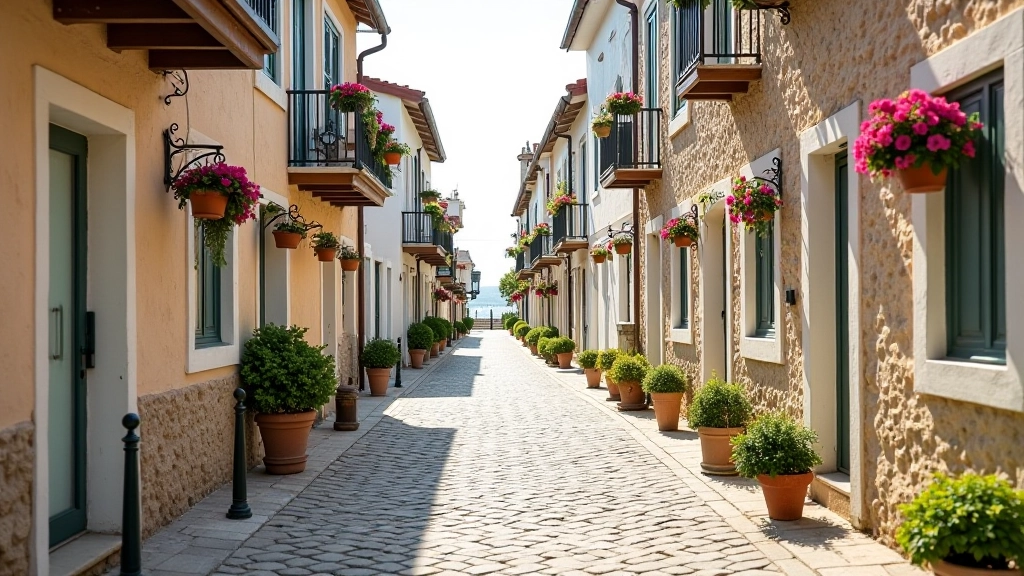
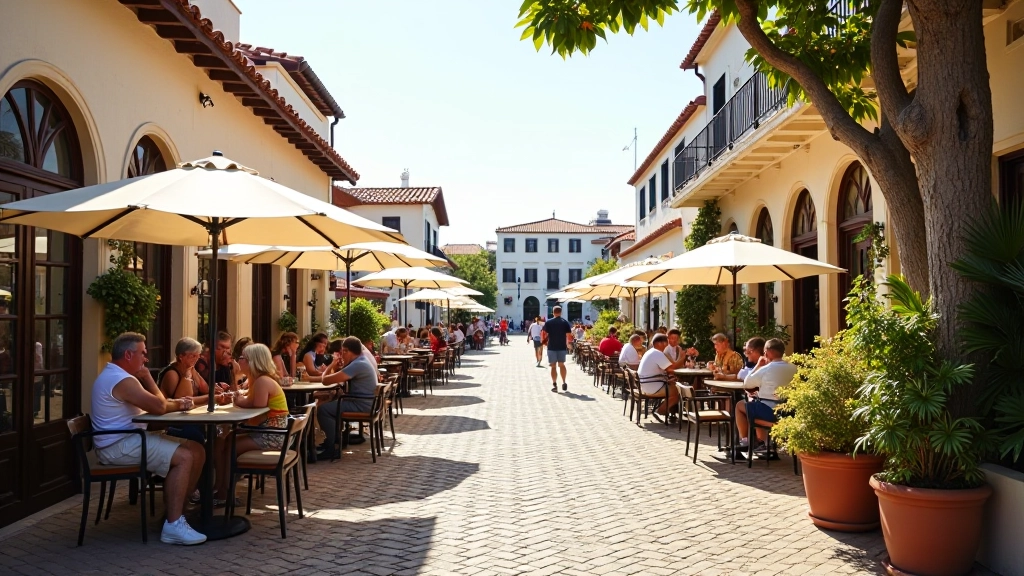
The route follows cobblestone streets and gentle slopes. We've mapped out the exact route, noted where benches are located, and included stops at places where you can sit down for a coffee or rest your feet. Most walkers take about two hours from start to finish, though you can easily extend this by lingering in shops or at cafés.
Route Overview & Key Stops
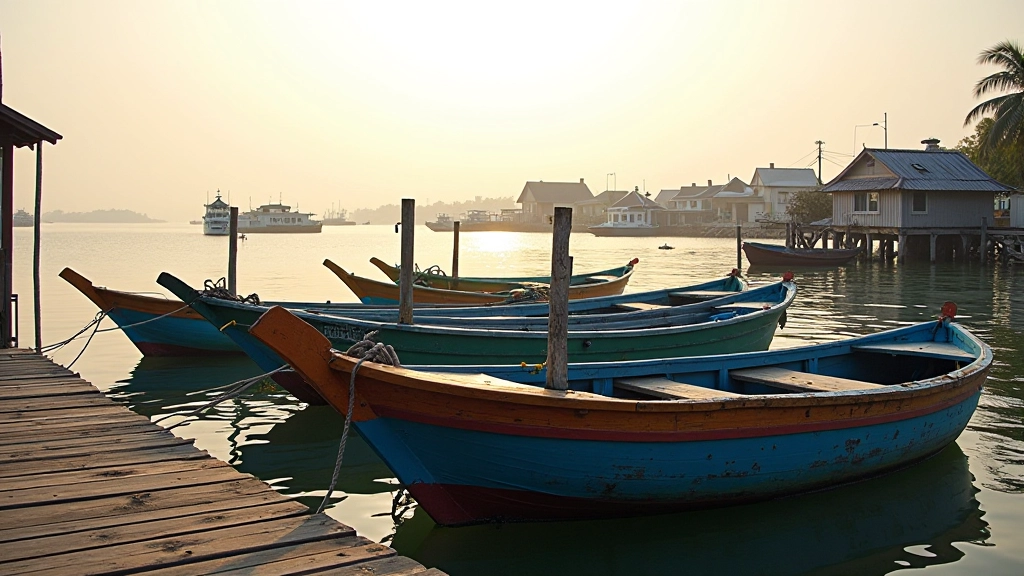
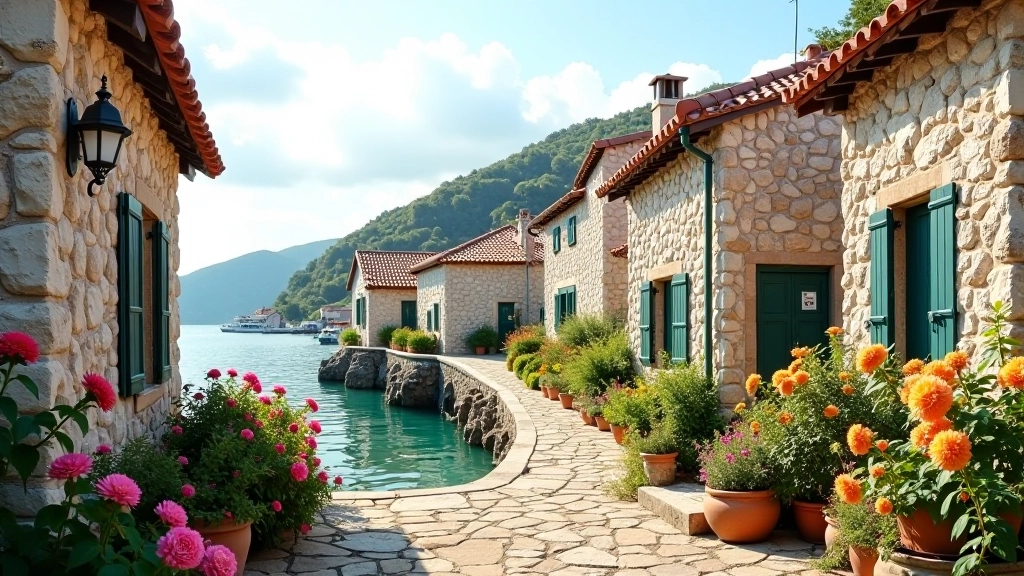
The walk starts at the harbor front where fishing boats tie up. From there, you'll head inland through narrow streets lined with traditional wooden and stone cottages. The architecture here reflects the village's fishing heritage—practical designs with deep eaves to shed rain and weathered wood that's stood up to Baltic winters.
You'll pass the old market square (still used for local events), turn down Artisan Lane where woodcarvers and textile makers have their workshops, and eventually reach the central plaza. This is where the best cafés are located. The walk ends near the waterfront again, completing a natural loop.
Walking Details
- Distance: 1.5 miles total
- Surface: Cobblestone and paved streets
- Elevation change: Minimal (under 100 feet total)
- Rest benches: 6 public benches + café seating
- Best time: Late morning or early afternoon

Understanding the Buildings
The oldest buildings date back to the 1700s. You can identify them by their thick stone walls, small windows (good for keeping heat in), and sturdy wooden beams that're still visible on many facades. The doors are typically painted in deep colors—blue, green, or burgundy—which was traditional in Baltic villages.
Many cottages have been restored in the last decade, but the work's been done carefully to preserve original features. You'll notice new roofs and fresh plaster, but the window styles, door frames, and overall character remain authentic. Some buildings have plaques showing when they were built or renovated.
What to Look For
Pay attention to the craftsmanship. Notice how roof tiles overlap to shed water, how wooden shutters fit snugly against windows, and how building stones are fitted together without mortar in some older sections. These details show practical solutions that've worked for centuries.
Where to Rest & Refuel
Three cafés sit on the central plaza, each with outdoor seating. The first one you'll reach (about halfway through the walk) is a traditional spot run by the same family for 30 years. They serve coffee, tea, and simple pastries. The seating area's covered, so it's fine if there's light rain.
At the plaza itself, you'll find two more options. One specializes in locally-made ice cream and fruit drinks. The other does light meals—soups, sandwiches, and salads. Both have shaded seating areas. There's also a small bakery on Artisan Lane if you want to grab something earlier in the walk.
The public benches are positioned at natural stopping points: one overlooks the harbor, another sits in a small garden, and one's tucked into an alcove near the old market square. None of these spots require you to spend money—you can sit for as long as you need.
Practical Tips for Your Visit
Footwear Matters
Cobblestones are uneven. Wear shoes with good grip and cushioning. Avoid heels or thin-soled shoes—they'll make the walk uncomfortable and less stable.
Weather Considerations
The route's exposed in places, so bring sun protection in summer. In cooler months, layers work better than a single heavy coat. There's no rain shelter along most of the walk except near the cafés.
Timing & Pace
Start in late morning to avoid crowds and get good lighting for photos. There's no rush—two hours is comfortable, but take three if you want to linger in shops or take lots of pictures.
Accessibility Note
Cobblestones can be challenging for walkers or wheelchairs. The paved sections are smooth, but roughly 40% of the route uses traditional cobblestones. Plan accordingly based on your mobility needs.
Photography Opportunities
Early morning light (7-9am) gives golden tones on stone buildings. Afternoon light works well for architectural details. The harbor views at sunset are particularly striking if you want to time your visit that way.
What to Bring
Water bottle (refill at cafés), comfortable backpack, small notebook if you're interested in noting building details, and a camera or smartphone. The walk doesn't require special gear.
Why This Walk Matters
This isn't just a walk through old buildings. It's a chance to see how people lived, worked, and built communities that've lasted generations. Every doorway, every roofline, every stone tells part of the village's story. When you walk these streets, you're literally walking through history.
The pace here is different from modern towns. Things slow down. You notice details you'd miss rushing through. And that's the real value—not just seeing historic buildings, but understanding how they fit together as a complete place where people've actually lived.
You'll come away with a deeper appreciation for the village, a better sense of its character, and probably a few favorite spots you'll want to return to. That's what makes this walk special.
Disclaimer
This guide provides informational content about the village center walking route and local architecture. Route conditions, café operations, bench availability, and accessibility features may change seasonally or due to maintenance. Always verify current conditions locally before your visit. Individuals should assess their own physical abilities before undertaking any walking route. This guide isn't a substitute for personal judgment regarding weather, fitness, or accessibility needs. Visit the village's official tourism website or contact local visitor services for the most current information about the route and facilities.